42 allergens required on food labels
Food labelling and allergens - AFSA "Common allergen" is defined as: egg, cow's milk, crustaceans and molluscs, fish, peanuts, soybeans, tree nuts and any significant cereals, as well as ingredients derived from these foodstuffs that has retained its allergenicity in the final product. Goats milk shall, according to R.146, be labelled in the same manner as common allergens. Food labelling - general EU rules - Your Europe Complete list of allergens - annex 2 Allergens - EU guidance Labelling Mandatory information must be printed using a font with a minimum x-height of 1.2 millimetres. If the largest surface area of packaging is less than 80 cm², you can use a minimum x-height of 0.9 mm. For packaging surface of less than 10 cm², you must list: name of the food
Allergens | Food Information | Food Legislation | Legislation | The ... 14 Allergens There are 14 allergens that must be declared by law Cereals containing gluten - wheat (such as spelt and khorasan wheat), rye, barley, oats Note: The cereal name e.g 'wheat', must be declared and highlighted, not 'gluten' Crustaceans e.g. crabs, prawns, lobsters Eggs Fish Peanuts Soybeans Milk

Allergens required on food labels
FDA: Food Labels Must List Allergens - WebMD Manufacturers are required to identify in plain English the presence of ingredients that contain protein derived from the following: Milk Eggs Fish Crustacean shellfish (like shrimp) Tree nuts... Allergen labelling for food manufacturers 14 allergens If your product contains any of the main 14 allergens as an ingredient or processing aid, it must be included on the label. The 14 main allergens are: celery cereals containing gluten... Allergen Labeling - Quality Assurance & Food Safety CURRENT - The food allergen labeling requirements were initiated with the Food Allergen Labeling and Consumer Protection Act of 2004 (FALCPA). This Act outlines eight major food groups esponsible for 90% of the allergenic reactions in the U.S. population. ... Myth: "May contain" or similar precautionary statement is required on the label ...
Allergens required on food labels. Packaging and labelling | Food Standards Agency Where a food product contains any of the 14 allergens, required to be declared by law, as ingredients, these allergens must be listed and emphasised within the ingredients list. You must emphasise... Food Labelling | Allergy UK | National Charity This legislation has been in place since December, 2014 and mandates that ingredient lists on food labels have to clearly highlight (for example in bold type) that they contain any of the 14 allergens which include: Celery Cereals including gluten Crustaceans Eggs Fish Lupin Milk (Cows) Molluscs Mustard Nuts Peanuts Sesame seeds Soya › food › food-labeling-nutritionFood Allergies | FDA Jun 23, 2022 · People with food allergies should read labels and avoid the foods they are allergic to. The law requires that food labels identify the food source of all major food allergens used to make the food. inspection.canada.ca › food-labels › labellingList of ingredients and allergens on food labels - Canadian ... It is not required to declare food allergens or gluten that is present in a prepackaged product as a result of cross-contamination [B.01.010.1(3), FDR]. The Food and Drug Regulations (FDR) specify the manner in which ingredients and components must be declared, including grouping sugars-based ingredients , common names , and declaring food ...
Allergen labelling (Safety - About enzymes) - AMFEP Regulation (EC) 1169/2011 on Food Information to Consumers requires all allergens to be labelled. This regulation lists the ingredients or substances with known allergenic potential. This list has been built based on the opinions of the EFSA Scientific Panel on Dietetic Products, Nutrition and Allergies relating to the evaluation of allergenic foods for labelling purposes (EFSA, 2004, EFSA ... Consumers and Allergen Labelling - Food Standards Allergen declarations refers to required information on food packaging where certain allergens are present (e.g. in the ingredient list and/or a 'contains' statement), while PAL and advisory labelling refers to statements that indicate the possible presence of allergens as a consequence of allergen cross-contact. Food labelling and packaging: Ingredients list - GOV.UK The allergens you need to highlight and list are: celery cereals containing gluten - including wheat, rye, barley and oats crustaceans - including prawns, crab and lobster eggs fish lupin milk... Allergen Labeling Requirements — FDA Reader Highly refined oils derived from one of the eight major allergens do not need to comply with FALCPA allergen labeling requirements (e.g. soybean oil, peanut oil) If you believe that an allergen containing ingredient should not require an allergen warning (because it will not elicit an allergic response) then you may submit a petition to exempt that ingredient from allergen labeling.
Food Labels: Read It Before You Eat It! - AAAAI Ingredients of these most common eight allergens must be labeled with clearly recognized English names of the food source as listed above. The "contains" statement is "voluntary", but if used, must include ALL of the allergenic ingredients from the list of eight allergenic sources as described in item 14 of the 2006 guidance document. Food Allergy & Anaphylaxis | Food Labeling | Food Labels The Food Allergen Labeling and Consumer Protection Act of 2004 requires that foods containing major food allergens be listed in plain English in the ingredient list, in parentheses within the ingredient list, or after the word "contains.". It does not require companies to declare that something "may" or "might" contain, or is ... foodinstitute.com › focus › big-8-allergensThe Big 8 Food Allergens May 09, 2020 · [Editor’s Note 1/13/2022: Please see our updated list that includes sesame here: The Big 9 Food Allergens] More than 170 foods have been reported to cause allergic reactions, but eight major food allergens, also known as the Big 8, are responsible for most of the serious food allergy reactions in the U.S., according to Food Allergy Research & Education. Food Allergen Labelling | Laws. Types Of Labels, Effectiveness There are 14 food allergens that you need to be aware of and these ingredients must be clearly marked and declared on any food offered for sale. Nuts (almonds, hazelnuts, walnuts, pecan nuts, sesame, Brazil nuts, pistachio, cashew, Macadamia or Queensland nut). Peanuts. Eggs including egg derived substances such as albumen. Milk and dairy.
Food Label Reading for Food Allergies | Food allergies awareness, Food allergies, Food allergens
Allergen labelling - Food Standards You can read more about product exemptions from allergen labelling. Aged bottled wine. Before 2002 wine producers were not required to declare allergens on their product label. However, food allergens such as egg, fish, milk, and tree nuts as well as sulphites may have been used in the production of these wines.

Food Allergy Buzz: Love Those Labels!
Allergen Labelling Changes: Are your Labels updated ... - Food Safety Works Food allergen labeling has proven to be an effective way to prevent accidental access to potentially hazardous residues of the allergen. It is crucial for every food establishment to provide clear information about which allergenic ingredient is/are or may be present in the food product. ... Until recently, allergen labelling was required only ...
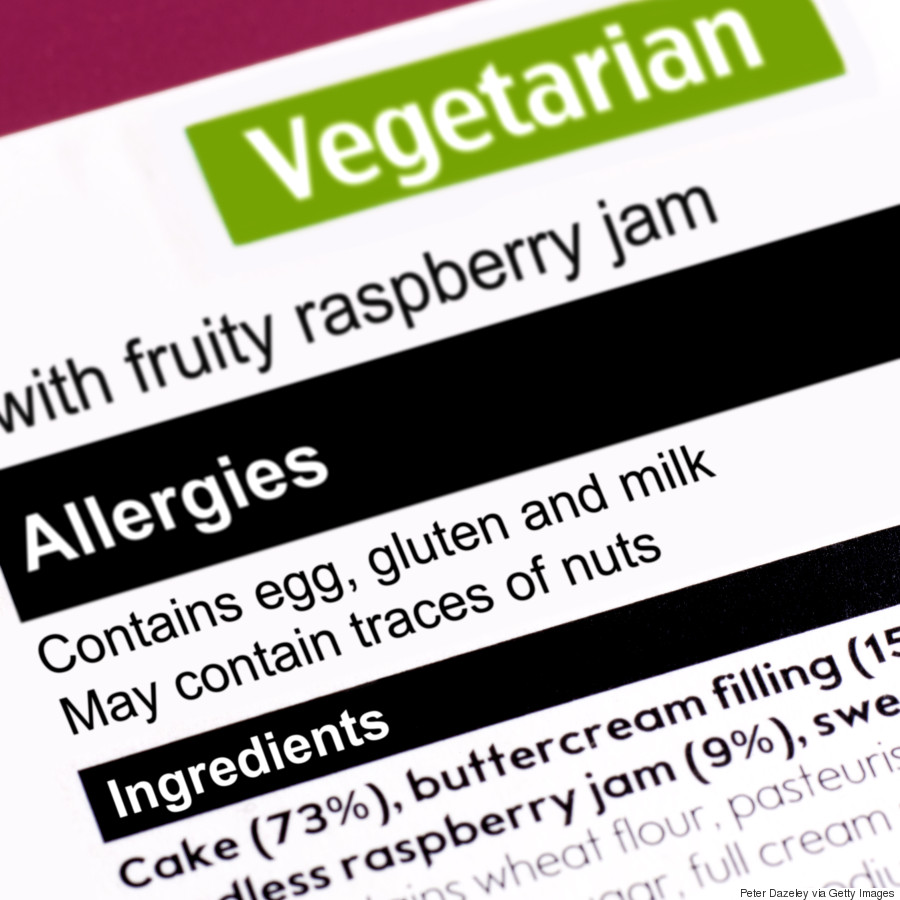
Food Allergy Labelling In Canada: What You Need To Know | HuffPost Canada
New allergen labelling required for Natural Health Products - Food ... Here are the key highlights of the new regulation amendments: Example label. New allergen alert section has been added to the label - All priority allergens must now be listed in the new "Allergens " section on the product label. For example, if the product contains milk, wheat, and sulphites, the statement must appear in bold as follows:

Part 2 - New Food Labelling Laws #14allergens - Sugarpuffish
Food Allergen Labelling - Canada.ca Based on consultations with stakeholders, including allergy associations and the medical community, Health Canada developed amendments to the Regulations to enhance labelling requirements for specific priority allergens, gluten sources and added sulphites in prepackaged foods sold in Canada.
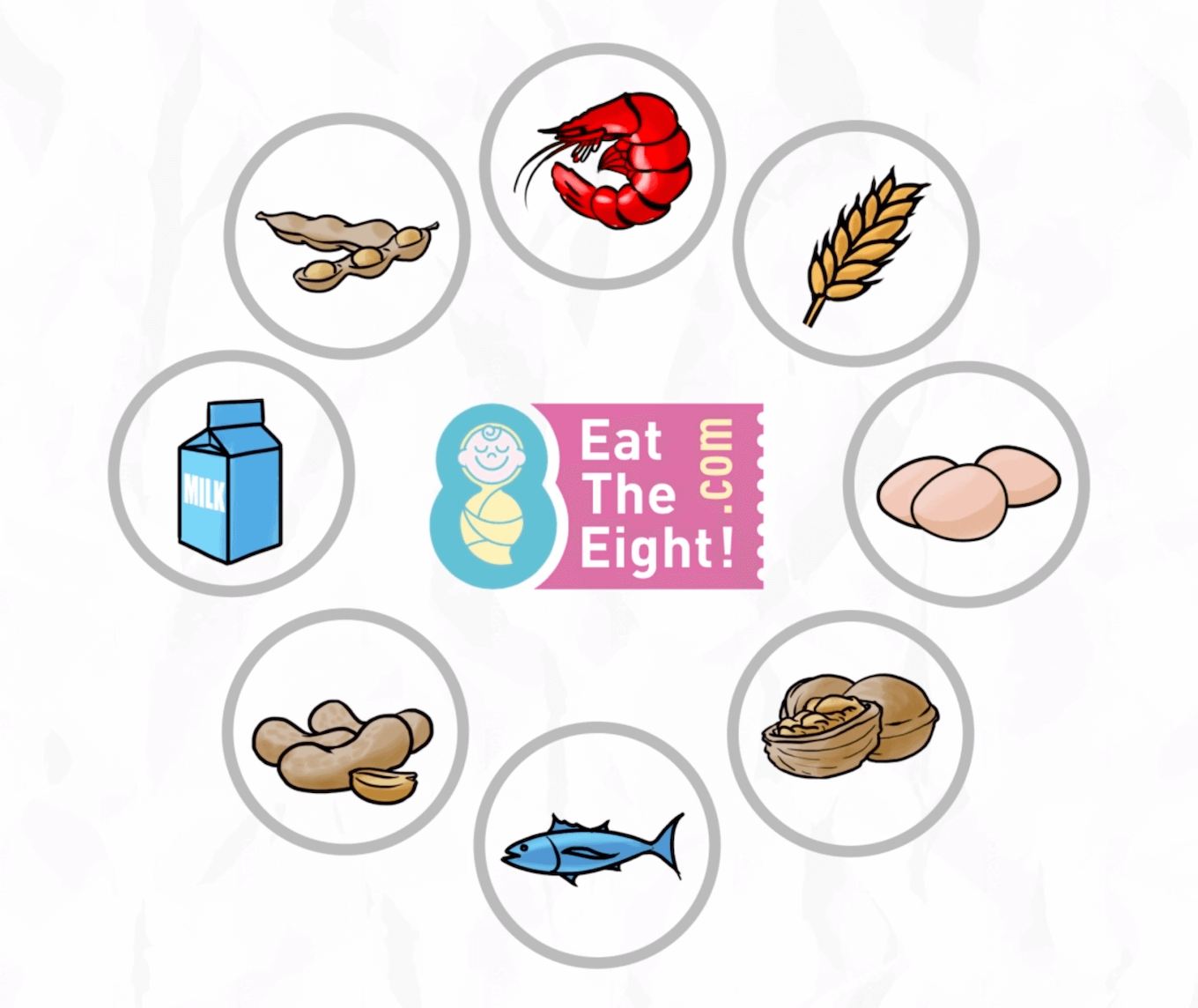
Babies & Food Allergy Q&A — Fortified Family
How to Read a Food Label — SPOKIN The Food Allergen Labeling, Consumer Protection Act, requires by law, that packaged foods list an allergen in plain english if it is an ingredient. This only is required if the allergen is one of the top 8 which include peanut, tree nut, milk, eggs, wheat, soy, fish, and shellfish. There are 3 ways the allergens can be listed on the label: 1.
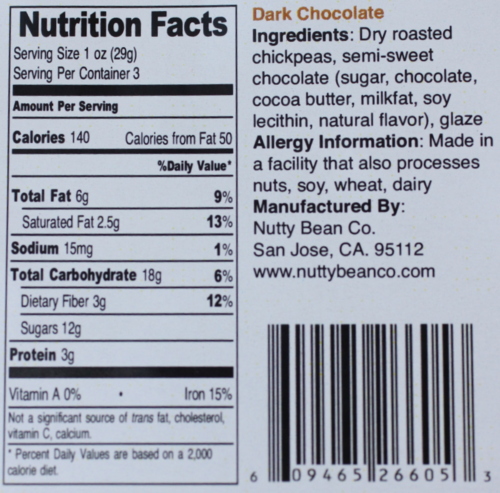
section 4.4 - Food Allergy Survival Guide- High School and College Survival Guide
Food Allergen Labeling Law Requirements and Exceptions Eight specific food allergens are covered by the law: Milk Eggs Fish (e.g., bass, flounder, and salmon) Shellfish (e.g., crab, lobster, and shrimp) Tree nuts (e.g., pecans and almonds) Peanuts Wheat, and Soybeans

Allergy warning label on food package Stock Photo: 53055248 - Alamy
en.wikipedia.org › wiki › Food_allergyFood allergy - Wikipedia To meet FALCPA labeling requirements, if an ingredient is derived from one of the required-label allergens, then it must either have its "food sourced name" in parentheses, for example, "Casein (milk)," or as an alternative, there must be a statement separate but adjacent to the ingredients list: "Contains milk" (and any other of the allergens ...

SAFE Food Allergy Labels - Food ASC
Food Labelling & Allergen Guide - Australian Food and Grocery Council In addition, product labels need to carry a list of ingredients, a declaration of any major allergens and the percentage content of the key ingredient/s. FRONT OF PACK LABELLING The AFGC supports companies' use of voluntary front of pack nutrition labelling schemes including the Daily Intake Guide and the Health Star Rating.

Tech Tips, Tricks & Trivia: Notes from the course "Nutrition, Health, and Lifestyle: Issues and ...
Label: Allergens - Food label The new legislation identifies 14 food allergens which must be identified on product packaging. Previously this information was listed separately (i.e. this product contains nuts) but now they must be marked within the ingredients list. These are: Celery, cereals containing gluten, crustaceans (e.g. prawns or crab), eggs, fish, lupin, milk, ...

Allergens and Ingredients Labels - Able2Label Labelling Solutions | Ireland
Allergen Labeling on Food Products - Mississippi State University The Food Allergen Labeling and Consumer Protection Act (FALCPA), which took effect on January 1, 2006, requires food manufacturers to use common names to identify major allergens. Allergen declaration is required on products regulated by the Food and Drug Administration (FDA), U.S. Department of Agriculture (USDA), and state regulatory authorities (e.g., Mississippi Department
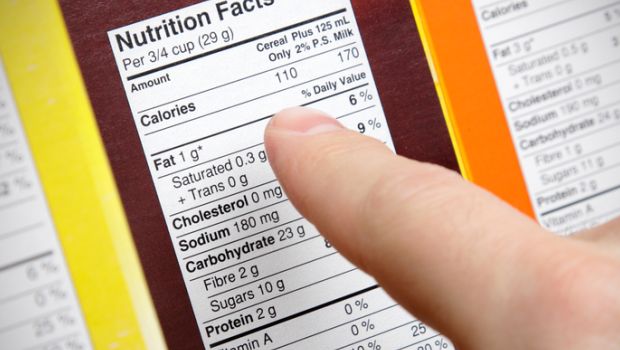
34 Nut Allergy Warning Label Wording - Labels Database 2020
How to Read a Food Label | Food Allergy Research & Education While all ingredients in a food are supposed to be listed in the ingredients list, FALCPA covers only the eight most common allergens. These are milk, egg, peanut, tree nuts, soy, wheat, fish and crustacean shellfish. Note that molluscan shellfish—such as oysters, clams, mussels or scallops—are not required to be labeled as a major allergen.
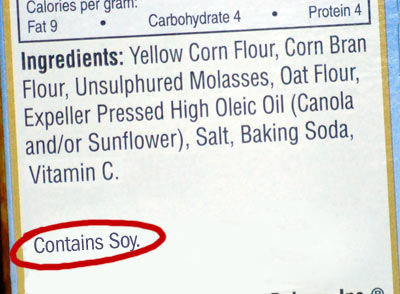
Food allergies: Understanding food labels - Drugs.com
› food › food-allergensgluten-freeFood Allergen Labeling and Consumer Protection Act of 2004 Mar 07, 2022 · (b) Effect on Other Authority.--The amendments made by this section that require a label or labeling for major food allergens do not alter the authority of the Secretary of Health and Human ...
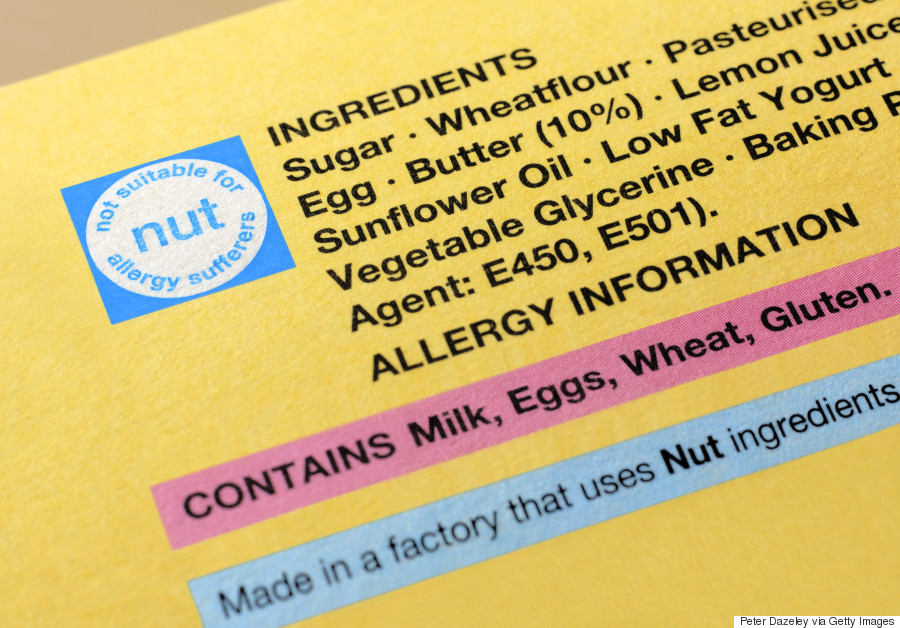
Food Allergy Labelling In Canada: What You Need To Know
› common-allergens › tree-nutTree Nut | Food Allergy Research & Education Tree nuts are one of the eight major allergens that must be listed in plain language on packaged foods sold in the U.S., as required by federal law, either within the ingredient list or in a separate “Contains” statement on the package. For tree nuts, the specific variety must also be identified on the package.

Reading Food Labels For Allergens — SPOKIN - The Easiest Way to Manage Food Allergies
inspection.canada.ca › food-labels › labellingList of ingredients and allergens on food labels - Food ... It is not required to declare food allergens or gluten that is present in a prepackaged product as a result of cross-contamination [B.01.010.1(3), FDR]. The Food and Drug Regulations specify the manner in which ingredients and components must be declared, including grouping sugars-based ingredients , common names , and declaring food allergens ...

1000+ images about Food Safety on Pinterest | Food safety, Foodborne illness and Free cartoons
FALCPA identifies eight foods or food groups as the major food allergens. They are milk, eggs, fish (e.g., bass, flounder, cod), Crustacean shellfish (e.g., crab, lobster, shrimp), tree nuts (e.g.,...
Post a Comment for "42 allergens required on food labels"