41 egg labels and what they mean
Meat, Eggs and Dairy Label Guide l Help Farm Animals l ASPCA Note: Chickens and turkeys raised for meat (as opposed to eggs) are not typically caged, rendering a cage-free label meaningless on poultry meat products. Free-Range Claims. Most farm animals are housed entirely indoors. The USDA requires producers using "free-range" or "free-roaming" claims to demonstrate that animals have "access to ... 5 Common Labels On Egg Carton Labels And What They Really Mean 5 Common Labels On Egg Carton Labels And What They Really Mean . Eggs are highly nutritious, support health and good for weight loss. They are used in most recipes and are a great source of vitamins as well as protein. You can boil some eggs and they will last a while if refrigerated and they make good snacks too! However, trying to determine ...
How to Buy Eggs: What Do Organic, Cage-Free and Free-Range Labels Mean? Cage-free: Means the hens can roam in a building, room or open area instead of a battery cage, a 16x20-inch cage that houses up to 11 birds. It does not necessarily mean that hens have access to the outdoors. Nor does it indicate how much room they have to move around. Free-range: Eggs labeled free-range were laid by hens that have access to ...

Egg labels and what they mean
Buying a Carton of Eggs? Get the Labeling Facts First Here you'll see a variety of labels and a variety of prices that can give you a headache just trying to buy a carton of eggs. ... a carton of eggs and peace of mind is knowing how mass produced eggs are handled and labeled and exactly what those egg carton codes mean. ... in cages. They have some access to the outdoors. Be careful with this ... The Real Difference Between Pasture-Raised, Free-Range And Cage-Free Eggs Pasture-raised is not regulated by the USDA. But in order for pasture-raised eggs to also be labeled certified humane, it means that the ladies were given ample space to roam outdoors ―we're talking 108 square feet ― but also have access to a barn for cover. This mandated space means there's ample room to allow for rotating the flocks, ensuring that they have fresh food to pick at. Egg Labeling Regulations Guide - Animal Legal Defense Fund The terms does not mean that the hens have been spared some of the egg industry's worst horrors, like debeaking and maceration. Free Range: Eggs labeled as "free range" must be produced by hens who have unlimited access to food, water, and access to the outdoors during their egg-laying cycle. These requirements are mandated by the U.S ...
Egg labels and what they mean. What all the terms on egg labels really mean | Well+Good Cage-free, free-range, pastured—egg cartons feature a lot of buzzwords, some of them deceptive. Here, an expert explains how to read egg labels to ensure they're healthy and humane. Egg marking - Wikipedia Egg marking is a form of egg labelling that includes an egg code stamped on the egg itself. In the EU there is a producer code regulated by law since 2004. ... Note that egg labelling is used worldwide but mostly in the form of egg carton labels. ... Eggs are then silently moved to the other barn giving an egg code as if they were from organic ... Egg Carton Labels: Here's What All Those Terms Really Mean The United Egg Producers' guidelines for cage production systems list a minimum of 67 square inches per hen, which is smaller than a standard 8.5 inch by 11 inch sheet of paper. "They're unable to do very basic behaviors," Balk told HuffPost. "They can't spread their wings, stand on solid ground, perch, scratch, dust bathe, or lay ... Egg-cellent Labeling - Healthy Tipping Point Shocking that all those labels on eggs really mean very little in reality. Rachel (Olalliberrh) May 17, 2011, 10:55 am. ... However, I am only buying organic eggs as I feel they are treated a little more humane than factory farmed eggs. I don't care if I have to pay more, it is something I strongly believe in. Bethany May 17, 2011, 11:34 pm.
Know your labels | Compassion in World Farming The egg boxes must clearly state: 'eggs from caged hens', 'barn eggs' or 'free range'. Any other grade of hens' egg or other egg products (e.g. liquid egg and eggs as ingredients in other food products) are still not required to be labelled by law. Eggs laid by other species of poultry (e.g. ducks, quail or geese) are not required to be ... What Do Different Egg Grades Mean? | Allrecipes Egg grading is a voluntary service provided by the U.S. Department of Agriculture (USDA) and paid for by egg producers. It involves sorting eggs into one of three grades: Grade AA, Grade A, and Grade B. Each grade is determined by assessing the interior quality of the egg and the exterior quality of the egg shell. PDF Egg Labels and Certifications: What Do They Mean? - Vrg eggs originating from a free-range flock may use a label-ing claim indicating that the eggs were produced in a cage-free facility. Prior to authorization use of such terminology on officially identified shell eggs, an AMS representative must verify the labeling claim and proce-dures established to maintain identity of such eggs." Beak Trimming What Do Egg Labels Mean and How to Buy the Right Ones Eggs are graded on a scale: AA, A and B. The grade is based on the egg's appearance and how firm the white is inside. You'll find mostly grade A at supermarkets but keep an eye out for others: Grade A: Clean, smooth eggs with fairly thick egg whites. Grade AA: Thick, clean shell and firm egg whites. Grade B: May have bumpy shells and/or ...
12 Clues To Help Decode Egg Carton Labels - And Get The Good Stuff! For a deep dive, check out their eye-opening report Scrambled Eggs: Separating Factory Farm Egg Production from Authentic Organic Agriculture, and their Organic Egg Scorecard for the quick, in-a-nutshell lowdown on the name-brand and private-label organic egg brands to buy and the ones to avoid - and yes, some of the names may surprise you.. The Complete Guide To Egg Carton Labels (and What They Really Mean ... According to the US Poultry & Egg Association, eggs are graded by their appearance and quality. Grade AA is the best, and they have "thick, firm whites and high, round yolks" plus strong shells. Grade A is almost the same, but with "reasonably" firm whites instead. These are the ones most commonly sold in grocery stores. Egg labels: what egg-zactly do they mean? | Consume This First Unless the label specifies otherwise, the feed could have animal fat. Sufficient space to engage in natural behaviors: Hens are given more space. This is not a guarantee of humane treatment. Nor does it necessarily mean the hens did engage in natural behaviors. DHA: Just as eggs high in omega-3 come from hens fed a diet high in omega-3, eggs ... What Does the Code on My Egg Carton Mean? The plant code tells you which plant the eggs were packaged in. You can look up the plant location with this tool from the USDA. Put in the 4-digit plant code (without the "P"), and it will tell you where your eggs were packaged. I have a few old egg cartons kicking around here. The USDA plant codes are 1925, 1831, 1974, and 1187.
Egg Labels and What They Really Mean - One Hundred Dollars a Month
How to decipher egg carton labels - The Humane Society of the United States The vast number of terms on egg carton labels can leave grocery shoppers feeling dazed and confused. Some labels indicate that the eggs inside are "Natural," while others boast "Free-range" or even "Certified Organic.". But what savvy, animal-friendly consumers really want to know is whether their purchases promote higher welfare ...

Where do Eggs Come From?
Cage-Free or Free Range: Egg Labels Explained | Wholefully In order for eggs to be labeled organic, the chickens must be free of antibiotics and hormones, fed organic feed, live cage free, and free range. Sounds great! But remember, "cage free" and "free range" aren't the idyllic chicken life they have painted on the labels. Organic does not mean pasture raised. The Organic label also allows ...

Thriving With Allergies: Reading Labels for Food Allergies
Extra Large, Cage-Free, and More: How to Shop for Eggs Extra Large eggs must be a minimum of 27 ounces per dozen, or an average of 2.25 ounces each. Large eggs must be a minimum of 24 ounces per dozen, or an average of 2 ounces each (this is the standard size egg for recipes). Medium eggs must be a minimum of 21 ounces per dozen, or an average of 1.75 ounces each. Small eggs must be a minimum of 18 ...
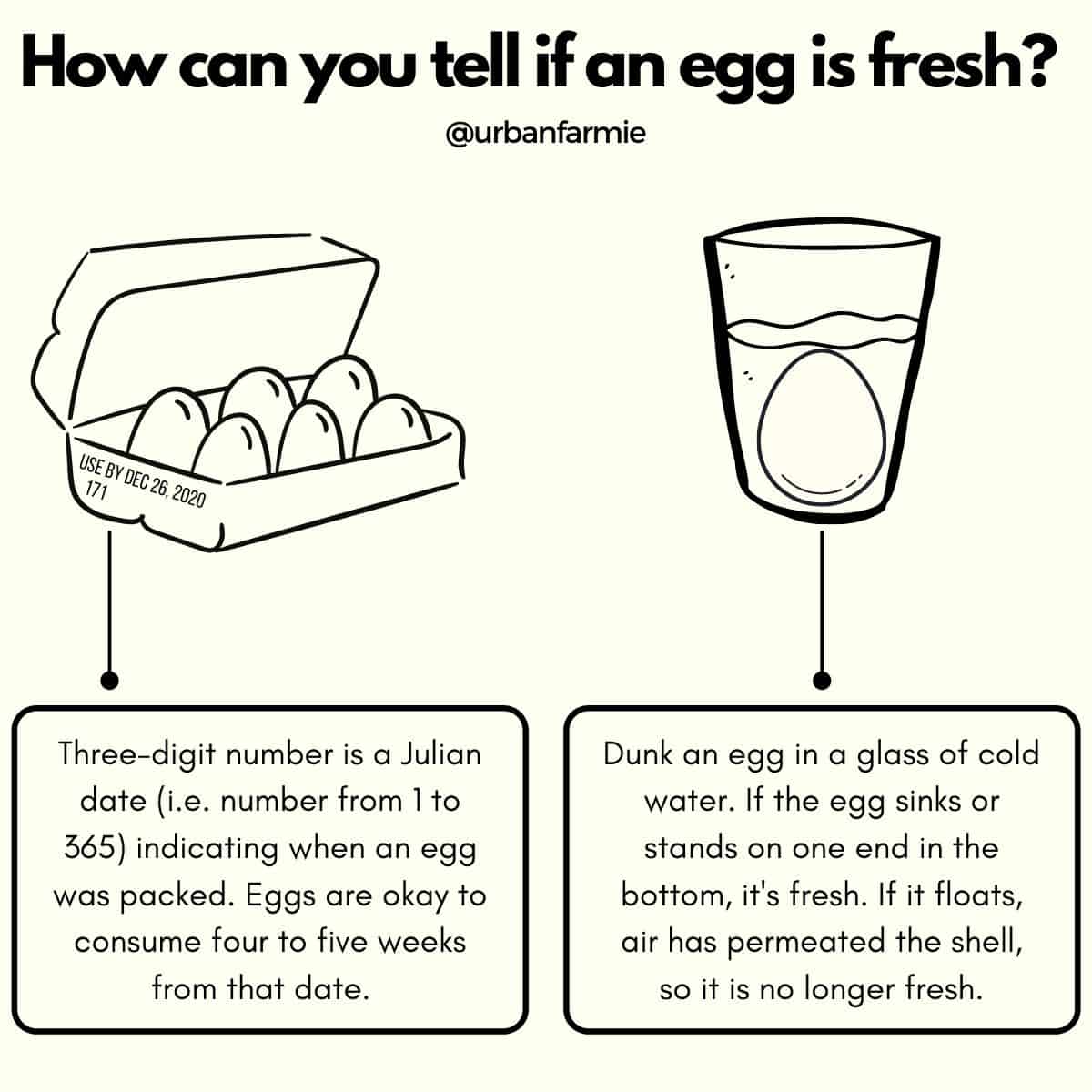
Egg Labels: The Ultimate Guide for Buying Eggs! - Urban Farmie
3 Important Codes On Your Egg Carton (And How To Read Them) 1. The Date The Eggs Were Packed. Next time you check the expiration date on a carton of eggs, note the three digit number next to it. That's the date the eggs were packed according to the Julian calendar, which counts dates consecutively starting with January 1 written as 001, and ending with December 31 written as 365.

Healthiest Type of Eggs - Omega-3 Eggs
How to Tell if Eggs Are Fresh: The Secret Code on Your Carton On the side of your egg carton, right by (or below) the "Sell By" date, you'll see a three-digit code. No, it's not an arbitrary serial number; it's the Julian date, your fail-safe guide to fresh eggs. Ranging from 001 to 365, the Julian date represents the day the eggs were packaged. Each code corresponds to a day in the year, so 001 ...

JuaiMurah: IKEA Kids Swivel Egg Chair
What Different Egg Labels Really Mean - Insider An 'Omega-3' label doesn't mean the eggs contain enough of the fatty acid. Omega-3 is a type of fatty acid that has been proven to help with heart and brain health. But according to Canadian nutritionist Leslie Beck, just because your egg carton has the "Omega-3" label doesn't mean you're buying eggs with enough of the Omega-3 you need.

The Incredible, Edible Egg – Why Eggs MUST Be Part of Your Preps – reThinkSurvival.com
Types of Eggs - The Spruce Eats Here are some of the most common. Fried eggs (which includes styles like over-easy and sunny side up) Scrambled eggs. Poached eggs. Boiled eggs ( hard-boiled and soft-boiled) Shirred or baked eggs. Frittatas and omelets. Eggs are also used in emulsified sauces like mayonnaise, Hollandaise and others.
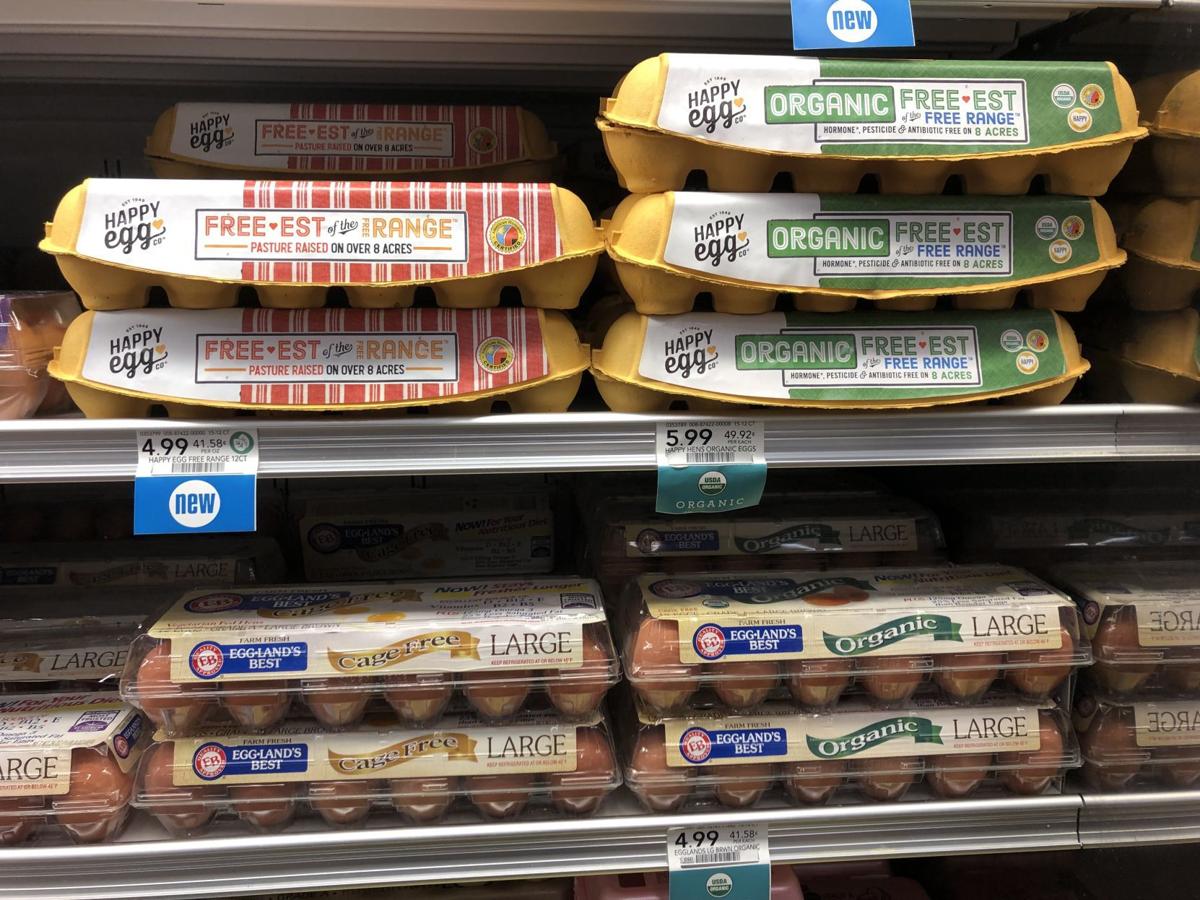
Consumers encounter a wealth of egg carton labels in supermarkets | Dining | journalnow.com
Egg carton labels, and what they all mean | Get Cracking Egg carton labels, and what they all mean Latest News. New OMHA Championships will be bigger and better than ever. February 3rd, 2022 . The Grove Receives $150,000 Gift From Egg Farmers Of Ontario Toward Supporting Youth Mental Health and Wellness. January 24th, 2022 . Quick Links. FAQ; Egg Recipes;

What Does Free Range Really Mean? Decoding Egg Carton Labels | Fresh Eggs Daily®
Egg Labels: What Do They Mean? - What Great Grandma Ate A 2007 study showed that eggs from hens raised on pasture may contain: 1/3 less cholesterol. 1/4 less saturated fat. 2/3 more vitamin A. 2 times more omega-3 fatty acids. 3 times more vitamin E. 7 times more beta carotene. This is why it's so important to read the labels and understand them so you know what you are getting in your eggs.
:max_bytes(150000):strip_icc()/Eggs-59c19c11054ad900110ac4a8.jpg)
What Egg Labels Mean (and What They Don't)
Egg Labeling Regulations Guide - Animal Legal Defense Fund The terms does not mean that the hens have been spared some of the egg industry's worst horrors, like debeaking and maceration. Free Range: Eggs labeled as "free range" must be produced by hens who have unlimited access to food, water, and access to the outdoors during their egg-laying cycle. These requirements are mandated by the U.S ...
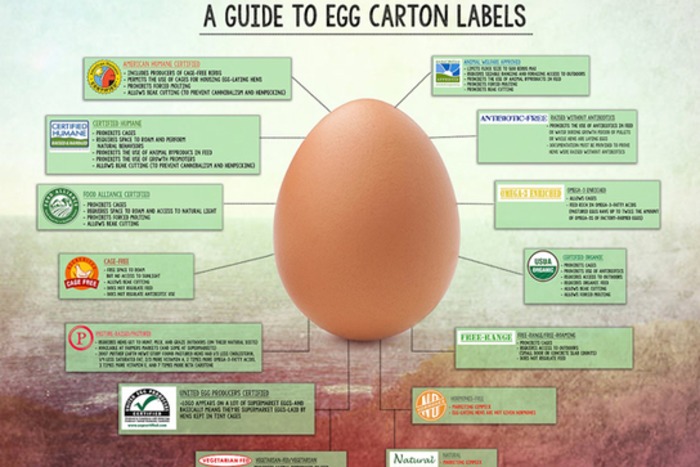
Egg Labels - 41 Food Infographics About Ingredients
The Real Difference Between Pasture-Raised, Free-Range And Cage-Free Eggs Pasture-raised is not regulated by the USDA. But in order for pasture-raised eggs to also be labeled certified humane, it means that the ladies were given ample space to roam outdoors ―we're talking 108 square feet ― but also have access to a barn for cover. This mandated space means there's ample room to allow for rotating the flocks, ensuring that they have fresh food to pick at.

Understanding Egg Labels – Green Livin Girls
Buying a Carton of Eggs? Get the Labeling Facts First Here you'll see a variety of labels and a variety of prices that can give you a headache just trying to buy a carton of eggs. ... a carton of eggs and peace of mind is knowing how mass produced eggs are handled and labeled and exactly what those egg carton codes mean. ... in cages. They have some access to the outdoors. Be careful with this ...

4 Things to Know About Eggs - Gardening Jones

How to Understand Egg Labels and Buy the Healthiest Eggs | Healthy eggs, Cage free eggs, Pasture ...

Egg Labels: What Do They Mean? – What Great Grandma Ate

egg labelling guide 4624261335 - Top Label Maker
Post a Comment for "41 egg labels and what they mean"